
Choosing the Healthiest Nuts and Seeds for Your Diet: Top Healthy Nuts Choices
Nuts and seeds are some of the most convenient and nutritious snacks you can add to your diet. They are packed with healthy fats, protein, fiber, vitamins, and minerals. But with so many options available, it can be tricky to know which ones are the best for your health. Over the years, I’ve learned that choosing the right nuts and seeds can make a big difference in how I feel and how well my body functions.
In this post, I want to share what I’ve discovered about the healthiest nuts and seeds. I’ll walk you through some of the best choices, explain why they’re good for you, and offer tips on how to include them in your daily meals. Whether you’re looking to boost your heart health, improve digestion, or just enjoy a tasty snack, this guide will help you make smart choices.
Why Focus on Healthy Nuts Choices?
When I first started paying attention to my diet, I realized that not all nuts are created equal. Some nuts are higher in calories but also richer in nutrients, while others might be easier to overeat because they taste so good. The key is to find nuts that offer the most health benefits without adding too many empty calories.
Healthy nuts choices are those that provide a good balance of healthy fats, protein, fiber, and essential nutrients like vitamin E, magnesium, and antioxidants. These nuts can help lower bad cholesterol, reduce inflammation, and support brain health. Plus, they make great additions to salads, yogurts, and even baked goods.
Here are some of my favorite healthy nuts choices that I keep stocked at home:
Almonds: High in vitamin E and magnesium, almonds are great for heart health.
Walnuts: Rich in omega-3 fatty acids, walnuts support brain function.
Pistachios: Lower in calories and high in protein, pistachios are perfect for snacking.
Cashews: Creamy and delicious, cashews provide iron and zinc.
Brazil nuts: A small handful offers a powerful dose of selenium, important for thyroid health.

Nutritional Benefits of Popular Nuts and Seeds
Understanding the nutritional profile of nuts and seeds helps you pick the best ones for your needs. Here’s a quick breakdown of some popular options and what they bring to the table:
Almonds: About 23 almonds provide 6 grams of protein, 3.5 grams of fiber, and 14 grams of fat (mostly monounsaturated). They are also a great source of vitamin E, which acts as an antioxidant.
Walnuts: A quarter cup of walnuts contains 4 grams of protein, 2 grams of fiber, and 18 grams of fat, including a good amount of omega-3 fatty acids.
Chia seeds: These tiny seeds pack 5 grams of protein, 10 grams of fiber, and omega-3s in just two tablespoons.
Flaxseeds: Ground flaxseeds are rich in fiber and omega-3s, and they also contain lignans, which have antioxidant properties.
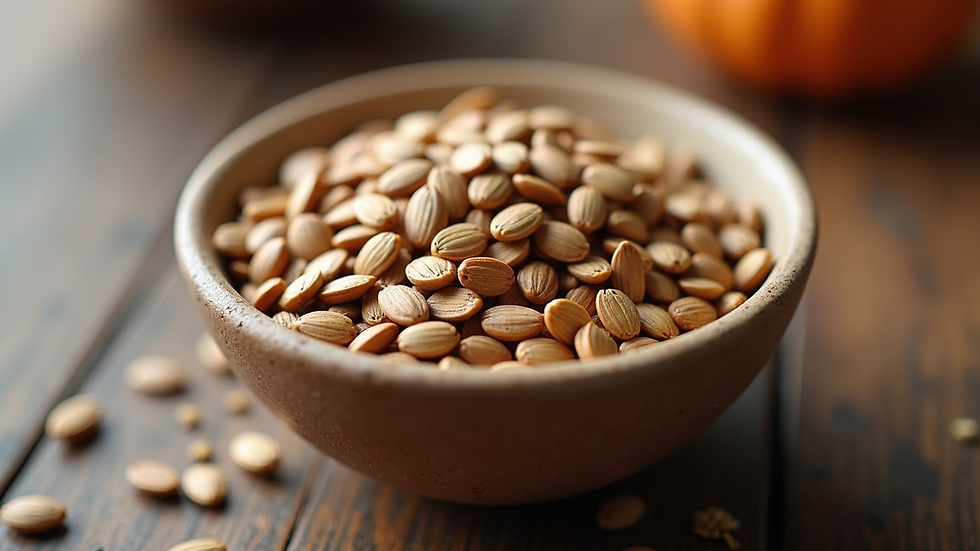
Pumpkin seeds: Also known as pepitas, these seeds are high in magnesium, zinc, and protein.
Including a variety of nuts and seeds in your diet ensures you get a broad spectrum of nutrients. For example, while almonds are great for vitamin E, pumpkin seeds shine in magnesium content. This variety supports different aspects of your health.
Which seeds are most healthy to eat every day?
If you’re wondering which seeds you can safely eat every day, I’ve found that a few stand out for their consistent health benefits and ease of use:
Chia seeds: Their high fiber content helps with digestion and keeps you feeling full longer. They also provide omega-3 fatty acids, which are great for heart health.
Flaxseeds: Ground flaxseeds are easier to digest and offer a good dose of fiber and omega-3s. They can be sprinkled on oatmeal, yogurt, or blended into smoothies.
Pumpkin seeds: These are rich in magnesium and zinc, which support immune function and muscle health. A small handful daily is a great snack.
Sunflower seeds: Packed with vitamin E and selenium, sunflower seeds help protect your cells from damage.
I usually add a tablespoon of mixed seeds to my breakfast or salads. It’s a simple way to boost nutrition without much effort. Just remember to buy raw or dry-roasted seeds without added salt or sugar to keep them as healthy as possible.
How to Incorporate Healthy Nuts and Seeds into Your Diet
Adding nuts and seeds to your meals doesn’t have to be complicated. Here are some easy and tasty ways I use them every day:
Breakfast: Sprinkle chopped nuts or seeds on your cereal, oatmeal, or yogurt. This adds crunch and nutrition.
Snacks: Keep a small container of mixed nuts and seeds handy for a quick energy boost between meals.
Salads: Toss in walnuts, almonds, or pumpkin seeds for extra texture and flavor.
Baking: Add ground flaxseeds or chopped nuts to muffins, bread, or homemade granola bars.
Smoothies: Blend chia or flaxseeds into your favorite smoothie for a fiber and omega-3 boost.
One tip I’ve found helpful is to portion out nuts and seeds ahead of time. Since they are calorie-dense, it’s easy to overeat. Using small containers or snack bags helps me control portions and avoid mindless munching.
Tips for Choosing and Storing Nuts and Seeds
To get the most out of your nuts and seeds, it’s important to choose high-quality products and store them properly:
Buy raw or dry-roasted: Avoid nuts and seeds roasted in oil or coated with salt and sugar.
Check for freshness: Nuts and seeds can go rancid if stored too long. Look for expiration dates and buy in small quantities if possible.
Store in airtight containers: Keep them in a cool, dark place or refrigerate to extend shelf life.
Avoid flavored varieties: Flavored nuts often contain added sugars and unhealthy fats.
By following these tips, you can enjoy the full health benefits of nuts and seeds without compromising on taste or nutrition.
Making Healthy Nuts Choices a Habit
Incorporating healthy nuts and seeds into your diet is a simple way to improve your overall nutrition. I’ve found that once you get used to having them regularly, they become a natural part of your eating routine. Whether you add them to meals or enjoy them as snacks, these nutrient-packed foods support your heart, brain, and digestive health.
If you want to explore more about healthy nuts and seeds, there are plenty of resources online that offer recipes and detailed nutritional information. Remember, the best nuts and seeds for you are the ones you enjoy and can eat consistently.
Start small, try different varieties, and see how your body responds. Over time, you’ll find your favorite healthy nuts choices that fit your taste and lifestyle perfectly.


Comments